
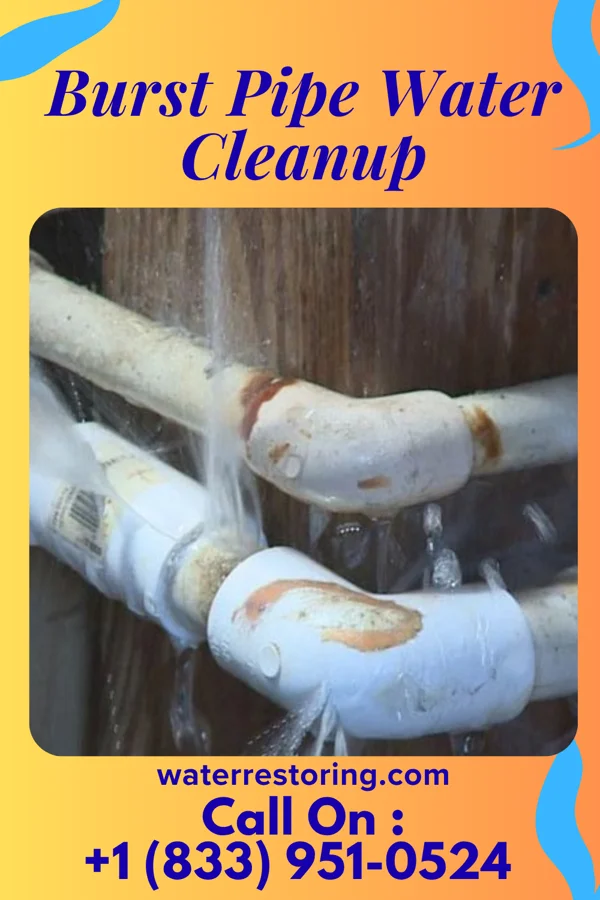
Why Pipes Burst in Dry Creek Homes
Most water damage emergencies in Dry Creek start with Dry Creek, Alaska experiences frequent temperature fluctuations and permafrost thawing, which can cause underground pipes to expand and contract, increasing the risk of bursts. The region's remote location and limited infrastructure also contribute to aging plumbing systems that are more prone to failure.. A close second is The presence of permafrost in the area means that when it thaws, it can destabilize the ground, leading to pipe shifts and potential bursts. Additionally, the use of older, less durable materials in rural areas like Dry Creek increases the likelihood of pipe failures during extreme weather events.. From the second water touches the property, every minute changes what gets saved and what gets ripped out.
Dry Creek's unique climate, characterized by extreme cold and seasonal thawing, creates a high risk of pipe bursts. The combination of permafrost, freezing temperatures, and thawing ground can lead to sudden and severe plumbing failures, requiring immediate attention to prevent further damage.
Most burst pipe water cleanup calls in Dry Creek come from Dry Creek, Alaska experiences frequent temperature fluctuations and permafrost thawing, which can cause underground pipes to expand and contract, increasing the risk of bursts. The region's remote location and limited infrastructure also contribute to aging plumbing systems that are more prone to failure.. Running a close second is The presence of permafrost in the area means that when it thaws, it can destabilize the ground, leading to pipe shifts and potential bursts. Additionally, the use of older, less durable materials in rural areas like Dry Creek increases the likelihood of pipe failures during extreme weather events.. Local mold risk: Dry Creek's cold climate can slow mold growth, but once water damage occurs, the region's high humidity levels during thaw periods can create a conducive environment for mold to develop within 24-48 hours, especially in poorly ventilated areas.
For public guidance on the health effects of mold after prolonged water exposure, see the EPA mold and health page.