
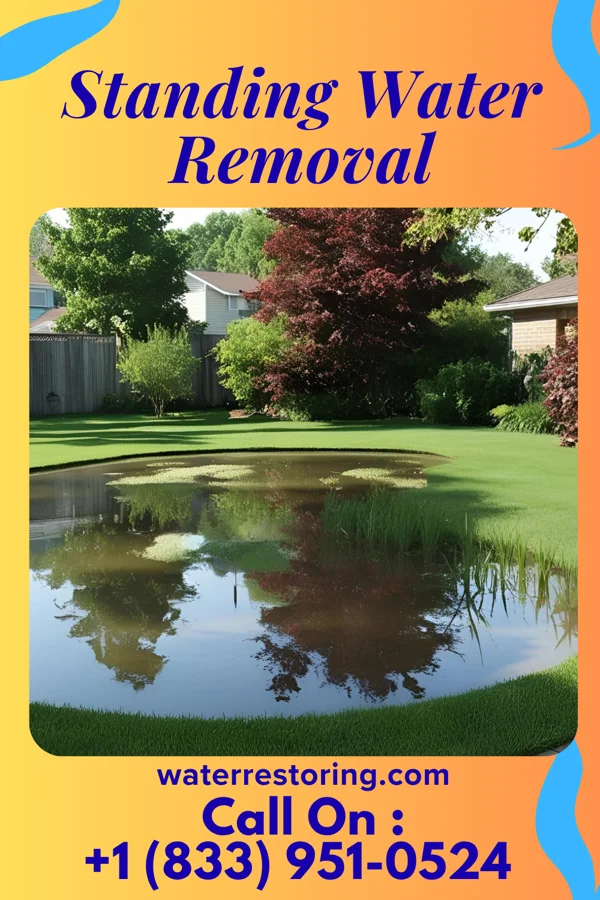
Standing Water Across Dry Creek Neighborhoods
Every neighborhood in Dry Creek has a different water damage risk profile. The one that shows up on most restoration calls is In Dry Creek, Alaska, the primary water damage cause is often due to sudden thawing of permafrost, leading to ground instability and water accumulation. Additionally, heavy rainfall during the short summer season can overwhelm local drainage systems, resulting in standing water in residential and commercial properties.. A close second is Secondary causes include burst pipes from frozen water expansion, leaks from aging infrastructure, and flooding from nearby rivers or lakes such as Dot Lake. Snowmelt runoff also contributes to localized water damage in the area..
Dry Creek experiences a subarctic climate with long, cold winters and short, wet summers. This climate increases the risk of water damage from thawing permafrost, heavy rainfall, and sudden snowmelt, making prompt water damage response critical.
Water damage in Dry Creek follows a few local patterns. In Dry Creek, Alaska, the primary water damage cause is often due to sudden thawing of permafrost, leading to ground instability and water accumulation. Additionally, heavy rainfall during the short summer season can overwhelm local drainage systems, resulting in standing water in residential and commercial properties. accounts for the bulk of our calls. Dry Creek experiences a subarctic climate with long, cold winters and short, wet summers. This climate increases the risk of water damage from thawing permafrost, heavy rainfall, and sudden snowmelt, making prompt water damage response critical. Mold growth in Dry Creek can occur rapidly due to the high humidity levels during summer and the presence of moisture from thawing permafrost. Quick action is essential to prevent long-term structural damage and health risks.
For public guidance on the health effects of mold after prolonged water exposure, see the EPA mold and health page.